



BY MBONO MDLULI
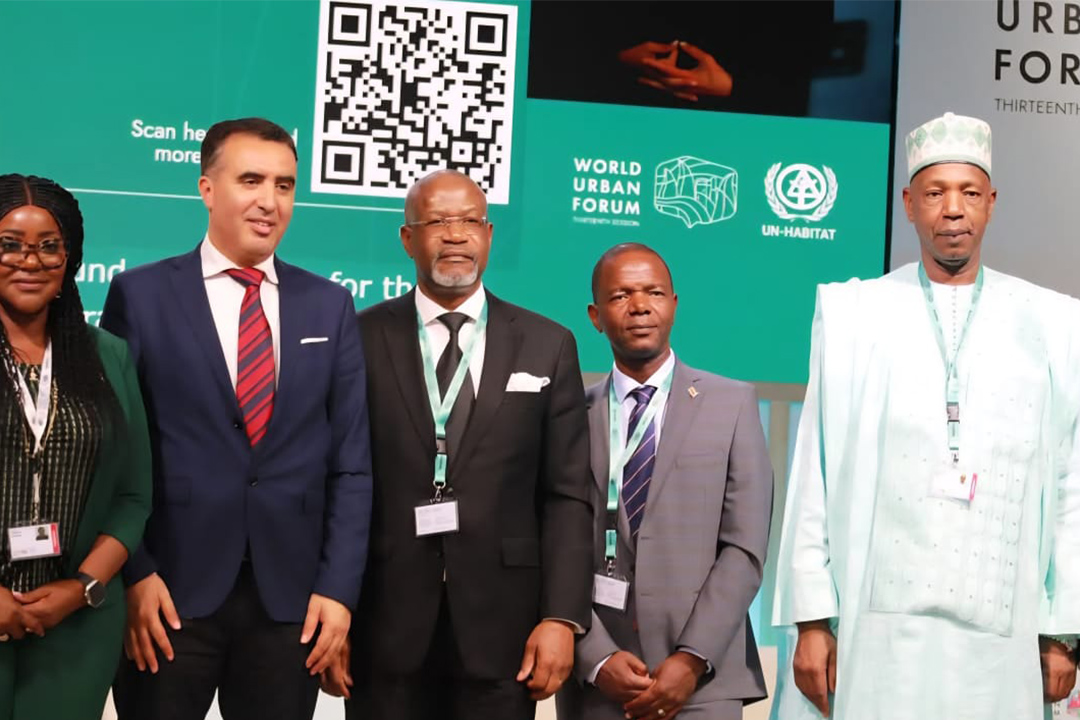
MBABANE– Eswatini has called for stronger global partnerships and innovative financing solutions to accelerate affordable housing delivery across Africa during the 13th World Urban Forum (WUF13) currently underway in Baku, Azerbaijan.
The country’s position was presented by Principal Secretary in the Ministry of Housing and Urban Development, Dr Simon Zwane, during a Special Session of the Africa Affordable Housing Compact.
In his address, Dr Zwane emphasised the urgent need for sustainable, inclusive and market-driven housing solutions to address growing urbanisation challenges facing African countries.
Eswatini Highlights Housing Reform Priorities

Dr Zwane outlined Eswatini’s commitment to expanding affordable housing access through:
- strengthened land governance,
- the Tinkhundla system,
- innovative housing finance mechanisms,
- housing microfinance,
- and strategic public-private partnerships.
The presentation also highlighted efforts by the Ministry of Housing and Urban Development to align housing delivery with:
- environmental sustainability,
- economic inclusion,
- and resilient urban development.
These priorities form part of the ministry’s 2025–2030 Strategic Plan aimed at improving housing accessibility while supporting long-term national development goals.
Focus on Sustainable Urban Development
The World Urban Forum discussions come at a time when many African countries are facing increasing pressure from rapid urbanisation, housing shortages and rising infrastructure demands.
Dr Zwane stressed the importance of ensuring that affordable housing projects are developed in ways that promote sustainable cities and climate resilience.
Government’s position also highlighted the need for housing policies that support inclusive economic growth while protecting vulnerable communities from insecure land tenure and unplanned urban expansion.
Eswatini Calls for Blended Finance Support
Eswatini further appealed to international development partners and financial institutions to support blended financing models aimed at improving affordable housing delivery across the continent.
The country specifically called for support in areas including:
- green housing initiatives,
- land-record digitisation,
- community-level tenure regularisation,
- and innovative infrastructure financing.
Blended finance models combine public, private and development-sector funding to reduce investment risks and attract more capital into housing and infrastructure projects.
Housing experts increasingly view such models as critical to addressing Africa’s growing housing deficit.
Public-Private Partnerships Seen as Key
The presentation also reinforced the importance of partnerships between governments and the private sector in addressing housing shortages.
Public-private partnerships are increasingly being promoted globally as a way of:
- expanding housing supply,
- improving infrastructure development,
- and mobilising private capital for public housing programmes.
Eswatini’s participation at WUF13 forms part of broader efforts to position the country within international urban development and sustainable housing conversations.
World Urban Forum Brings Global Leaders Together
The World Urban Forum is one of the world’s leading international conferences focused on urbanisation, sustainable cities and human settlements.
The forum brings together governments, development agencies, urban planners, financial institutions and housing experts to discuss solutions to global urban challenges.
This year’s forum in Baku has placed significant emphasis on affordable housing, sustainability and climate-resilient urban growth, particularly within developing economies.
(Courtesy Pic)