


BY TANDZILE DLAMINI
MBABANE– Correctional reform is increasingly turning its focus inward, with attention shifting to the wellbeing of officers who carry the weight of rehabilitation daily.
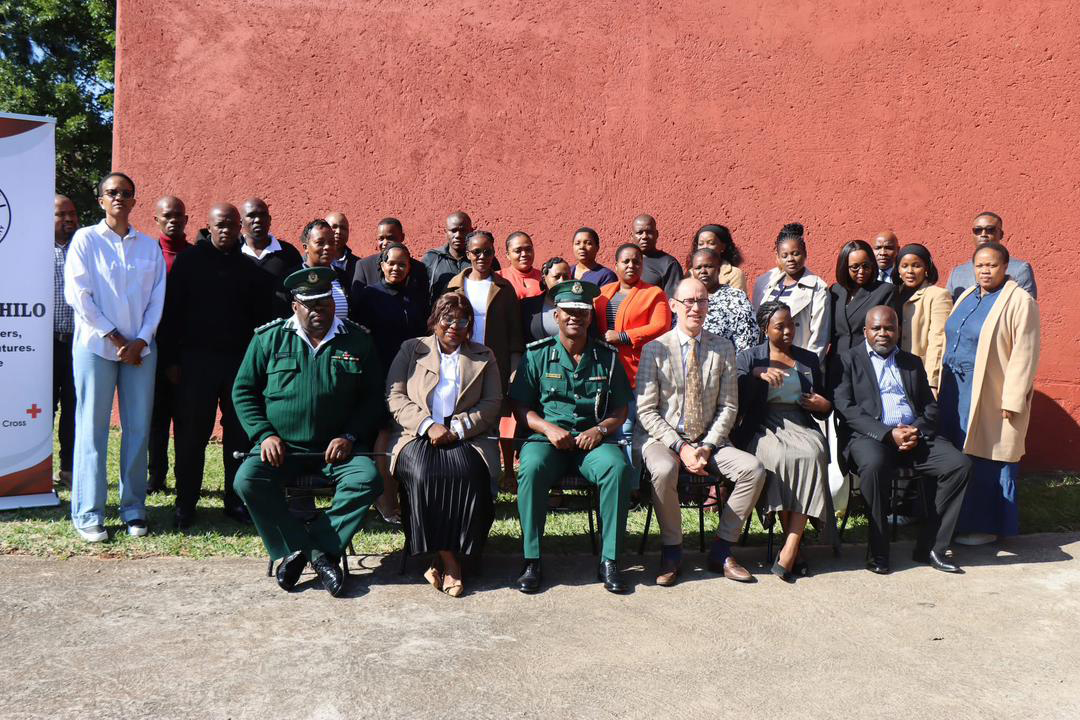
This emerged strongly at Brookside Lodge on 18 May 2026, during the opening of a five day Mental Health and Psychosocial Support and Gender Equality Training of Trainers Workshop led by His Majesty’s Correctional Services, with support from the European Union and Baphalali Eswatini Red Cross Society.
Under the Khetsimphilo theme, the programme is pushing a message that rehabilitation begins with the people who run correctional systems. Instead of focusing only on inmates, the workshop places correctional officers at the centre of psychosocial wellbeing, ethical conduct, and gender responsive service delivery.
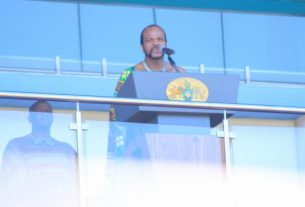
Commissioner Mancoba Nkambule set the tone by framing mental health as essential to effective correctional work, not an added benefit. He said officers operate under intense pressure that affects emotional balance, judgement, and performance.

“Mental Health and Psychosocial Support is not a luxury, but a necessity. A mentally healthy correctional officer is better equipped to exercise sound judgment, maintain professionalism, manage conflict appropriately and contribute positively towards rehabilitation outcomes,” he said.
His remarks highlighted a less visible layer of correctional work, where trauma exposure, stress, and emotional fatigue can directly influence rehabilitation outcomes inside centres.
The workshop also positions staff wellbeing as part of public safety. When officers are supported psychologically, they are better placed to manage conflict, guide rehabilitation processes, and support reintegration efforts for offenders, particularly young people from vulnerable backgrounds.
Commissioner Nkambule further acknowledged the partnership with the European Union and the Red Cross, noting that their support extends beyond infrastructure and into human development within the correctional system. He said such collaboration reflects understanding that rehabilitation is tied to dignity, healing, and safer communities.
Representatives from the European Union and Baphalali Eswatini Red Cross Society welcomed the initiative, highlighting cooperation under Khetsimphilo and the importance of shared learning across rehabilitation and psychosocial support fields.
Beyond training, the workshop is expected to produce trainers who will cascade mental health and gender equality knowledge across correctional centres, with emphasis on trauma awareness, ethical practice, cultural sensitivity, and interdisciplinary cooperation.
The approach signals a shift in correctional thinking, where officer wellbeing is treated as part of rehabilitation architecture rather than a separate concern, linking workforce mental health directly to safer and more effective correctional services.
(Courtesy Pic)