


BY TANDZILE DLAMINI
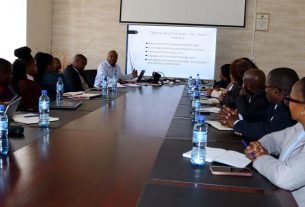
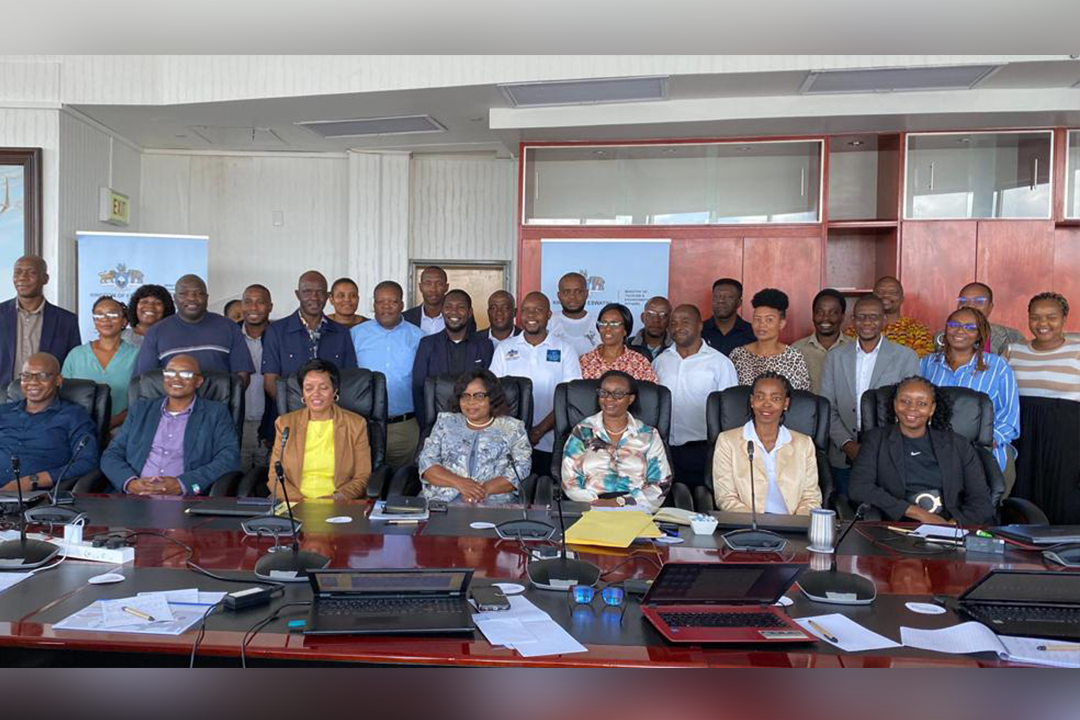
MBABANE – National efforts to enhance safety, security and regulatory preparedness in the management of nuclear and radioactive materials were highlighted at the conclusion of a three day Workshop on the Nuclear Security Sustainability Plan, held from 28 to 30 January 2026.
Closing the workshop, Minister of Tourism and Environmental Affairs Hon Jane Mkhonta- Simelane said the engagement marked a defining moment in the country’s journey to safeguard the future while responsibly embracing innovation and sustainable development.
The workshop focused on preparing key actors for the execution of their roles under Eswatini’s Nuclear Security Sustainability Plan, a key instrument for operationalising the Nuclear Radiation and Safety Act of 2025, which is now in force.
Hon Mkhonta Simelane said while nuclear technology is not yet widely deployed in Eswatini, it holds significant potential to support national development in critical sectors such as medicine, agriculture, industry operations and mining.

“With this potential comes a solemn duty to ensure that nuclear materials, knowledge and facilities are protected against misuse, accidents and emerging threats,” she said.
She described the workplan developed by participants as more than a technical framework, calling it a national commitment to uphold high standards of radioactive source safety, transparency and inter institutional collaboration, while strengthening Eswatini’s readiness to expand international cooperation.
The Minister highlighted that the initiative is anchored on two core principles, security and sustainability. On security, she said the country is establishing robust systems to prevent, detect and respond to risks associated with nuclear and radioactive materials. On sustainability, she emphasised the importance of building long term institutional capacity, knowledge and expertise to ensure that progress is deeply rooted and enduring.
During the workshop, participants from government ministries and partner agencies produced key outputs aimed at strengthening governance and enforcement under the new Act. These include a proposal to establish a standing coordination committee to guide institutions as they integrate nuclear security concepts into their respective mandates.
Hon Mkhonta Simelane confirmed that the process to establish the long awaited Regulatory Body is underway, commending participants for demonstrating responsibility and urgency in contributing to the governance structures envisioned by the Act.
Other outputs include the development of a draft National Emergency and Response Plan, which will be further strengthened with support from technical experts. The Minister revealed that the Ministry is in the process of procuring expert services to comprehensively advance this work.
Participants also developed a framework for initiating a licensing system to fast track the needs of users operating within the regulated space, as well as an initial plan for coordinated crime scene attendance by all relevant players to ensure effective enforcement of the law. She noted that criminal investigations and prosecutions involving nuclear and radioactive materials require specialised approaches that differ from conventional criminal cases.
In addition, institutions drafted Memoranda of Understanding to formalise collaboration and cooperative regulatory functions, while also identifying gaps in Act implementation, training needs, and essential equipment and tools required by their organisations.
Hon Mkhonta Simelane urged participants to carry forward the spirit of collaboration and foresight demonstrated during the workshop, stressing that nuclear security is a shared national responsibility. “Let this moment be remembered as the day we chose foresight over complacency, responsibility over risk, and sustainability over short term gain,” she said.
The workshop positions Eswatini to confidently implement its Nuclear Radiation and Safety Act, while ensuring that the peaceful use of nuclear technologies contributes safely and responsibly to national development goals.