


BY MFANUFIKILE KHATHWANE
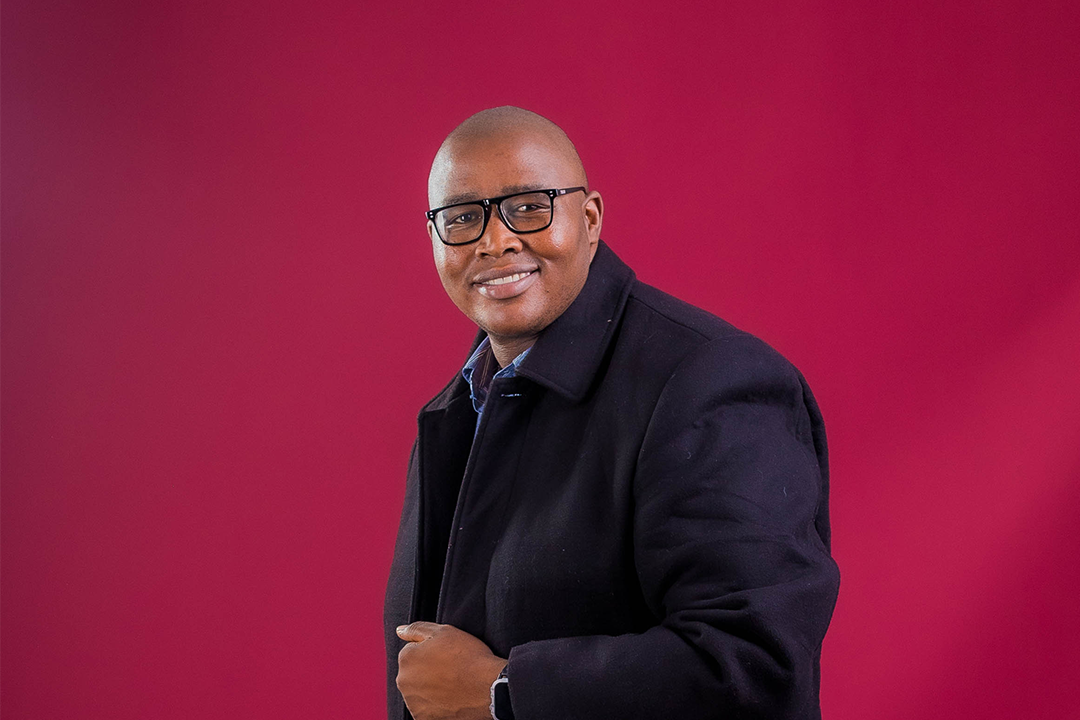
MBABANE – On the occasion of International Day of Education 2026, Eswatini student Mzwakhe “Tjovitjo” Khumalo called for the recognition of young people as co-creators of higher education, urging universities in Southern Africa to move beyond viewing students as passive recipients and engage them as active partners in shaping learning.
Speaking at a regional virtual event with participants from nine Southern African countries under the theme “The Power of Youth in Co-Creating Education”, Khumalo shared insights from his experience as a part-time law student, Level 5 Class Representative, youth advocate, and Vice Chairperson of Asihlumisane SACCOS, one of Eswatini’s largest savings and credit cooperative societies. His perspective bridges academic life, youth leadership, and community development, providing a holistic view of what it means to engage students as partners in education.
Khumalo highlighted multiple challenges confronting Southern African youth, including:
- Youth unemployment
- Digital exclusion
- Climate pressures
- Mental health concerns
- Limited access to educational resources
He stressed that higher education systems must be socially responsive, inclusive, and future-oriented, and that co-creation with youth should be seen as a strategic investment in national development, not merely a concession to students. He argued that young people represent the majority of the region’s population, and excluding them from decision-making weakens national efforts to innovate, respond to social challenges, and sustain economic growth.

Key points emphasised by Khumalo included:
- Critical thinking and problem-solving: Universities should equip students to analyze complex systems, question policies, and design practical solutions for real-life community challenges.
- Leadership and civic engagement: Students must be prepared to actively participate in shaping national policies, governance processes, and community initiatives.
- Communication and collaboration: Fostering intergenerational dialogue and regional peer learning across SADC institutions enhances shared solutions to common challenges.
- Technology and digital literacy: Students should be empowered not just to seek employment but to develop innovative platforms and tools that address pressing social and economic needs.
- Values-based education: Integrity, accountability, empathy, and ubuntu must remain central to developing ethical leaders capable of driving sustainable development.
Khumalo concluded that student voices must influence real decisions, allowing young people to move from being mere beneficiaries to becoming co-architects of transformative education. He urged higher education institutions in Eswatini and across the region to institutionalize youth participation, strengthen intergenerational dialogue, and create spaces where students actively shape the future of learning.
Hashtags: #InternationalDayOfEducation2026 #YouthAsCoCreators #HigherEducation #StudentVoices