


- PAC seeks clarity as country spends over E4 billion annually servicing debt
BY MBONO MDLULI
LOBAMBA – The Ministry of Finance has assured Members of Parliament that Eswatini remains on a sustainable path in managing and repaying its debts, despite spending more than E4 billion annually on debt servicing.
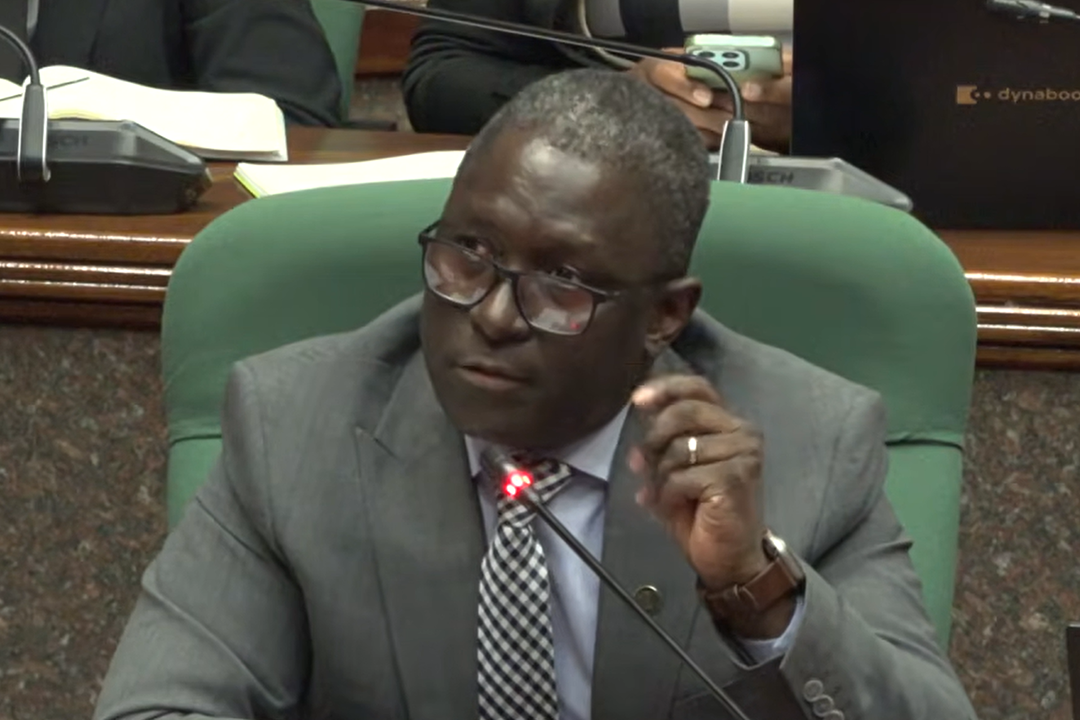
This emerged on Monday, June 8, 2026, when the Ministry of Finance appeared before the Public Accounts Committee (PAC) in the House of Assembly.
Ministry of Finance Principal Secretary (PS) Vusi Dlamini, who was the Controlling Officer, told the committee that Government remained prudent in managing its debt obligations and was not in danger of defaulting on its loans.
The matter arose after Somntongo Member of Parliament (MP) Hon. Sandile Nxumalo raised concerns about the amount of money the country spends servicing debt, particularly interest payments.

Nxumalo wanted to know why Eswatini was paying billions of Emalangeni annually in interest and whether the situation should be a cause for concern.
In response, Dlamini said the country’s debt position remained manageable and that Government continued to meet its obligations.
He said the country was not defaulting on its loans and therefore remained on the right track.
PAC Seeks Better Understanding
PAC Chairperson Hon. Madala Mhlanga clarified that Nxumalo’s concern centred on reports that Eswatini spends more than E4 billion annually servicing debt.
Mhlanga said there was a need for MPs to gain a deeper understanding of public debt management and how interest payments are structured.
He suggested that Parliament may need a dedicated workshop on debt management and public finance so that legislators can better understand the figures presented before them.
“We need a clearer understanding of these issues. A workshop may assist Members of Parliament in appreciating how debt servicing works and why such amounts are being paid,” said Mhlanga.
Questions Raised Over Arrears
Meanwhile, PAC Deputy Chairperson Hon. Manzi Vincent Zwane challenged the Ministry’s assertion that the country’s finances were operating smoothly.
Zwane argued that there were instances where funds had been budgeted and approved by Parliament but projects could not proceed because money was not available when needed.
He cited Microprojects as an example, saying Parliament had approved funding but implementation was delayed due to funding constraints.
“We approve budgets and expect implementation. In some cases, projects cannot proceed because funds are unavailable. We need to know the extent of arrears and backlogs that Government is carrying,” said Zwane.
IFMIS Delays Come Under Scrutiny
Zwane also questioned the slow implementation of the Integrated Financial Management Information System (IFMIS), a system designed to improve transparency, accountability and efficiency in the management of public finances.
He said Parliament had been hearing about the implementation of IFMIS for several years and wanted to understand why progress appeared slow.
According to Zwane, the system would assist in identifying weaknesses in financial management and expose any irregular beneficiaries of public funds.
“We have been hearing about IFMIS for the past four years. This system is supposed to help improve transparency and accountability,” he said.
Finance Ministry Rejects Claims of Reluctance
During the discussion, Mhlanga asked Accountant General Nomsa Simelane whether there was any reluctance to implement the system.
An official from the office referred the matter to the Principal Secretary.
Mhlanga noted that he had expected a response from the Accountant General’s Office because it had been one of the strongest advocates for the system.
Responding to the concerns, Dlamini rejected suggestions that Government was deliberately delaying implementation.
“It is not accurate to say we are reluctant to implement IFMIS. We are currently addressing a number of challenges associated with the process and work is continuing,” he said.
Debt Remains Manageable, but Challenges Remain
The discussion also highlighted broader concerns about the country’s debt position and the growing cost of servicing public debt.
According to the Ministry of Finance, Eswatini’s total public debt stood at E36.624 billion as of May 2025, equivalent to 38.3 per cent of Gross Domestic Product (GDP). The debt consists of both domestic and external borrowing.
Balancing Debt and Development
For now, Government maintains that Eswatini remains able to meet its debt obligations and that creditors continue to view the country as creditworthy.
Nevertheless, MPs continue to seek greater transparency regarding debt servicing costs, arrears and the implementation of reforms aimed at improving financial accountability.
The PAC is expected to continue examining these issues as part of its oversight role to ensure prudent management of public resources and to strike a balance between debt obligations and national development priorities.