



BY SIFISO NHLABATSI
MBABANE – Services for patients with high blood pressure in Eswatini have increased by 90 per cent, while diabetes care services have risen by 125 per cent through a partnership between Eswatini and Taiwan aimed at strengthening chronic disease prevention and management.
The improvements form part of a project launched in 2024 by the Taiwan Technical Mission and the Ministry of Health, with a focus on improving healthcare services in the Hhohho and Manzini regions through enhanced screening, treatment and the introduction of smart healthcare technologies.
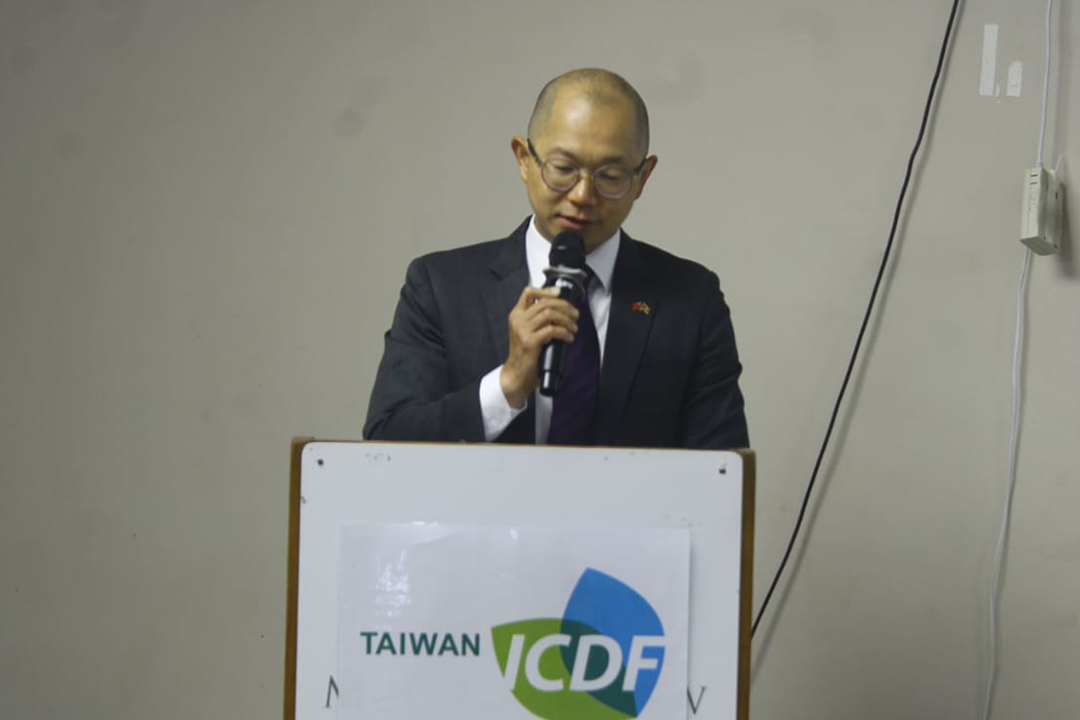
Speaking during the Taiwan-Eswatini Bilateral Seminar on Smart Healthcare and Chronic Disease Prevention at Mountain View Inn on Friday, I-Hsiang Tsai, Representative of the Embassy of the Republic of China (Taiwan), said the project had already produced encouraging results in the management of hypertension and diabetes.
Tsai also revealed that more than 70 per cent of patients living with both conditions had returned for follow-up care within six months, while 86 per cent of people identified as being at high risk had been referred for further medical care within three months.

“These are very encouraging achievements. They show what we can accomplish when we work together,” he said.
The seminar brought together healthcare professionals, government officials and development partners to explore how smart healthcare could strengthen the prevention, early detection and management of non-communicable diseases (NCDs).
The initiative is supported by the Government of the Republic of China (Taiwan), the International Cooperation and Development Fund (ICDF) and the National Taiwan University Hospital Hsin-Chu Branch, in collaboration with Eswatini’s Ministry of Health.
Tsai said chronic diseases, particularly hypertension and diabetes, were becoming a serious concern in Eswatini, making early detection and improved access to healthcare essential.
Citing a 2024 World Health Organisation survey, he said approximately 22 per cent of adults in Eswatini had high blood pressure, while nearly four per cent had high blood sugar.
More concerning, he said, was that only about 14 per cent of people with high blood pressure had their condition properly controlled.
“These numbers remind us that treating patients is not enough. We also need to detect diseases early, help people manage their health, and make healthcare services more accessible to local communities,” Tsai said.
He noted that Taiwan was sharing its experience in digital healthcare with Eswatini to help improve the quality and accessibility of medical services.
Since 2025, the partnership has introduced six artificial intelligence (AI)-assisted eye-screening devices to help detect eye complications associated with diabetes.
According to Tsai, the devices had been used to conduct more than 3 100 examinations.
The project is also testing Continuous Glucose Monitoring (CGM), a technology that allows healthcare professionals to monitor patients’ blood sugar levels throughout the day and gain a better understanding of their responses to treatment.
“Technology is not here to replace doctors. It is here to help doctors do their jobs better, and to help patients live healthier lives,” he said.
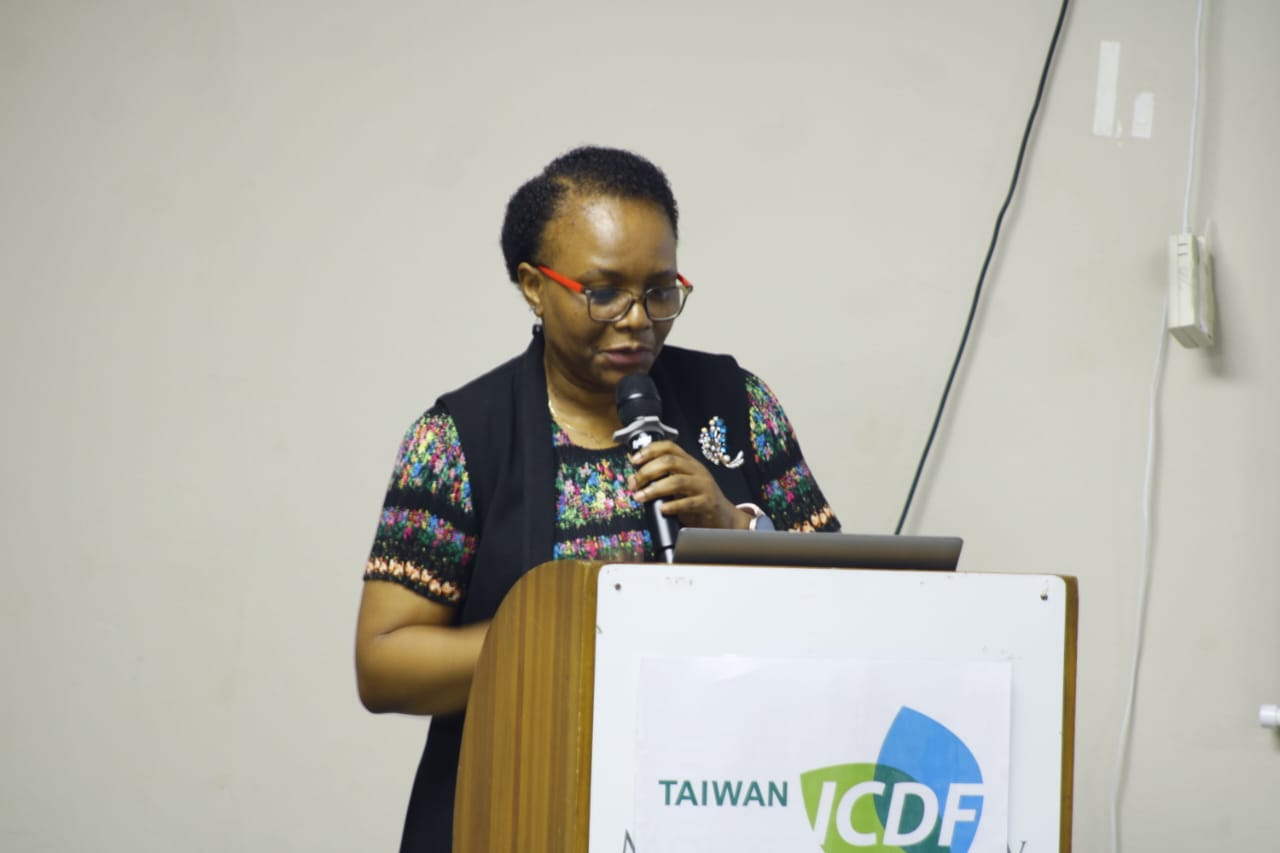
Meanwhile, Director of Health Services Dr Velephi Okello said smart healthcare presented opportunities to improve screening, strengthen clinical decision-making and achieve better patient outcomes.
However, she emphasised that introducing technology alone would not be sufficient to address the country’s growing chronic disease burden.
“Technology must be accompanied by trained healthcare professionals, reliable supplies, effective referral systems and sustainable integration into our health services,” Okello said.
She explained that the ICDF-supported project, Strengthening Metabolic Chronic Disease Prevention and Control Systems in the Kingdom of Eswatini, was supporting interventions at policy, healthcare facility and community levels.
These include the use of risk-factor surveillance and routine health data to guide policy decisions, improved screening capacity at targeted facilities, procurement of diagnostic equipment and training of healthcare workers.
At community level, the project has supported the training of Rural Health Motivators and Health Promotion Programme Officers, alongside community awareness initiatives and walk-in and workplace screening services.
Okello said these interventions were intended to identify risk factors earlier and bring preventive healthcare closer to communities.
She also highlighted the recent training in Taiwan of three doctors from RFM Hospital, Emkhuzweni Health Centre and Piggs Peak Hospital on smart healthcare in NCD management.
She urged the doctors to share their knowledge with colleagues and apply the lessons learnt to improve clinical practice locally.
“The success of international training should not be measured solely by the number of professionals who attend. It should be measured by how effectively the knowledge gained improves clinical practice, strengthens service delivery and benefits patients,” she said.
Okello further called for the integration of project interventions into national health services, stronger links between community screening and facility-based care, and investment in healthcare workers.
She said discussions on CGM should also consider whether the technology was clinically beneficial, operationally feasible and financially sustainable for Eswatini.
The seminar focused on chronic disease risk-factor trends in Eswatini, experiences in prevention and management, and clinical applications of continuous glucose monitoring in diabetes care.
Tsai said Taiwan remained committed to working with Eswatini to strengthen healthcare services and improve the quality of life of its people.
#EswatiniPositiveNews #SmartHealthcare #ChronicDiseasePrevention #Health #TaiwanEswatiniCooperation